
Table of Contents
Dry Mouth (Xerostomia): Causes, Risks, and Relief
Ever wake up feeling like you’ve been chewing on cotton balls all night? Or maybe you’ve noticed your mouth feels sticky and uncomfortable throughout the day, making even simple conversations feel like a chore.
If this sounds familiar, you’re not alone, and you’re definitely not imagining it.
Dry mouth, or xerostomia as we call it in the dental world, affects millions of Americans every year. Here at Advanced Dental Care in Falls Church, Virginia, we see patients struggling with this condition regularly. And honestly?
It’s one of those issues that people tend to brush off (pun intended) until it starts causing real problems.
But here’s the thing: chronic dry mouth isn’t just annoying. Left unchecked, it can lead to tooth decay, gum disease, and a whole host of oral health complications that nobody wants to deal with. The good news?
Understanding what causes dry mouth and how to manage it can make a world of difference in your quality of life.
What Exactly Is Xerostomia?
Let’s break this down in plain English. Xerostomia happens when your salivary glands decide to take an unauthorized break from their job, producing enough saliva to keep your mouth comfortably moist.
Think of saliva as your mouth’s personal maintenance crew. It’s working 24/7 to wash away food particles, neutralize acids that attack your teeth, and keep harmful bacteria in check.
Your major salivary glands (you’ve got three pairs of them) along with hundreds of tiny minor glands pump out about 2-4 pints of saliva daily. That’s roughly the same amount as a large water bottle!
When this production slows down or stops, everything goes sideways. Your mouth feels like the Sahara Desert, speaking becomes uncomfortable, and your risk for cavities and gum disease shoots up faster than you’d like.
Recognizing the Signs
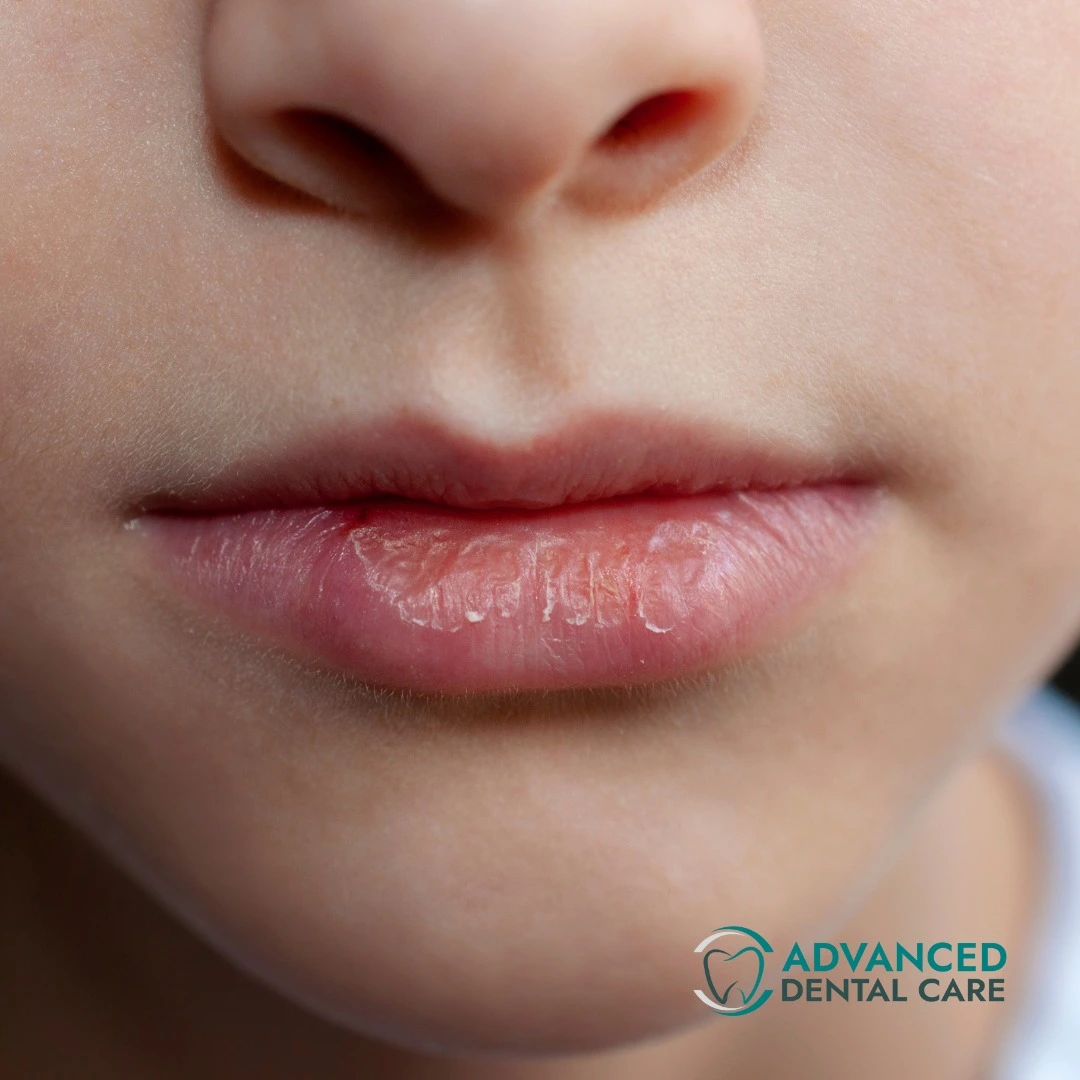
Dry mouth symptoms can sneak up on you gradually, or they might hit you like a freight train. Some folks only notice it at night, while others deal with it from morning till evening.
Here’s what to watch for:
You might experience a sticky, parched feeling in your mouth or throat that won’t quit. Your saliva might feel thick and stringy instead of smooth and watery. Bad breath that doesn’t respond to regular brushing?
That’s often a red flag. Some people develop a rough, dry tongue or notice cracked skin at the corners of their lips, not exactly the look anyone’s going for.
Other telltale signs include difficulty chewing or swallowing, changes in how food tastes, a burning sensation on your tongue, hoarseness, or constantly feeling thirsty no matter how much water you drink.
If you wear dentures, you might suddenly find them uncomfortable or difficult to keep in place.
These symptoms aren’t just uncomfortable, they’re your body’s way of waving a red flag that something needs attention.
What's Behind Your Dry Mouth?
Here’s where things get interesting. Dry mouth rarely appears out of nowhere, there’s usually a culprit lurking in the background.
Medications: The Number One Suspect
Would you believe that over 500 different medications list dry mouth as a side effect? It’s true. Antidepressants, antihistamines, blood pressure medications, decongestants, and muscle relaxants are notorious offenders.
We get asked all the time, “Does clindamycin cause dry mouth?” Yes, it absolutely can. This common antibiotic might temporarily reduce saliva production while you’re taking it.
If you’re taking multiple medications, which many of our Virginia patients are, your chances of experiencing dry mouth multiply. It’s like a perfect storm brewing in your mouth.
Health Conditions That Disrupt Saliva Production
Certain medical conditions throw a wrench in your salivary glands’ ability to function properly. Sjögren’s syndrome, an autoimmune disorder, specifically targets these glands. Diabetes, Parkinson’s disease, and stroke can also interfere with normal saliva production.
Cancer treatments, particularly radiation therapy for head and neck cancers, can damage salivary glands, sometimes permanently.
Lifestyle Factors You Control
Some causes of dry mouth are completely within your power to change. Dehydration is surprisingly common, especially during Virginia’s humid summers when we lose more fluids through sweating.
Breathing through your mouth (often due to allergies or sleep apnea) literally dries out your oral tissues overnight.
And let’s talk about tobacco, alcohol, and excessive caffeine, these three amigos are basically kryptonite for saliva production.
Can You Actually Prevent Dry Mouth?
I wish I could tell you there’s a magic bullet that prevents xerostomia in every case, but the reality is more nuanced. Some causes are beyond your control, but many aren’t.
Here’s what we recommend to our Falls Church patients:
Hydration is your first line of defense. Keep a water bottle handy and sip throughout the day, don’t wait until you’re thirsty. During Virginia’s colder months, run a humidifier in your bedroom to combat dry indoor air that can worsen mouth dryness overnight.
Kick tobacco to the curb if you haven’t already. Yes, we know it’s easier said than done, but your mouth (and the rest of your body) will thank you. Cut back on alcohol and caffeine, which act as diuretics and dry out your mouth.
And here’s a simple trick: chew sugar-free gum or suck on xylitol-based candies. This stimulates your salivary glands to produce more saliva naturally.
Watch what you eat too. Sugary and acidic foods are particularly harsh on teeth that aren’t being protected by adequate saliva.
Your oral hygiene routine becomes even more critical when dealing with dry mouth, brush twice daily with fluoride toothpaste and don’t skip the flossing.
How We Treat Xerostomia at ADC of VA
When patients come to us at Advanced Dental Care struggling with persistent dry mouth, we don’t just hand them a pack of gum and send them on their way.
We dig deeper to understand what’s driving the problem, because effective treatment depends entirely on addressing the root cause.
Professional Treatment Options
For some patients, saliva substitutes work wonders. These over-the-counter rinses, sprays, and gels mimic your natural saliva, providing immediate relief. Think of them as stand-ins for your body’s regular production team.
In certain cases, prescription medications like pilocarpine or cevimeline can actually stimulate your salivary glands to kick into higher gear. These aren’t right for everyone, but when they work, patients notice a significant improvement.
If medication is causing your dry mouth, we often coordinate with your physician to explore alternatives or adjust dosages. Sometimes a simple switch can resolve the issue without compromising your overall medical treatment.
Protecting Your Teeth
Here’s something many people don’t realize: when you have dry mouth, your risk for cavities skyrockets. Without saliva constantly bathing your teeth and neutralizing acids, decay can develop rapidly, we’re talking months, not years.
That’s why we recommend fluoride trays for dry mouth patients. These custom-fitted trays deliver concentrated fluoride directly to your teeth, strengthening enamel and providing an extra shield against decay.
We can also apply professional-strength fluoride treatments during your visits to our Falls Church office.
Customized Care Plans
Every patient’s situation is unique, which is why we develop personalized xerostomia treatment plans.
This might include special toothpastes formulated for dry mouth, moisturizing mouthwashes that don’t contain alcohol (which dries things out further), or specific oral sprays to use throughout the day.
For chronic cases, saliva-stimulating devices are available. These small gadgets use gentle electrical impulses to encourage saliva production, pretty cool technology when you think about it.
When Should You See a Dentist?
Look, we get it. Life gets busy, and it’s tempting to put off dental visits when you’re not in pain. But persistent dry mouth isn’t something to ignore or try to tough out on your own.
If you’ve been dealing with mouth dryness for more than a week or two, or if it’s affecting your ability to eat, speak, or sleep comfortably, it’s time to schedule an appointment.
At our Falls Church location, we can assess your oral health, identify any damage that’s already occurred, and create a treatment plan before things get worse.
Xerostomia can lead to rapid dental deterioration, we’re talking cavities popping up in places they normally wouldn’t, gum disease progressing faster than usual, and an increased risk of oral infections.
Catching these issues early saves you discomfort, time, and money down the road.
You can easily schedule an appointment with us online, and we’ll work with you to find solutions that fit your lifestyle and budget. We also offer flexible payment plans to make your care accessible.
Your Questions Answered
What's the most common reason people develop dry mouth?
Medications win this contest hands down. With hundreds of drugs listing xerostomia as a side effect, it’s by far the leading cause we see in our practice.
Can something as simple as dehydration cause dry mouth?
Absolutely. If you’re not drinking enough water or you’re losing fluids through sweating, illness, or exercise, temporary dry mouth is common. The fix? Drink more water.
Is this condition actually serious, or just uncomfortable?
Both, honestly. While dry mouth itself might seem like a minor annoyance, the consequences, cavities, gum disease, oral infections, can be quite serious if left untreated.
Can stress make your mouth dry?
Yes! Stress and anxiety can reduce saliva flow, which is why you might notice your mouth feeling dry during nerve-wracking situations like public speaking or important meetings.
How do I know if my medication is the culprit?
Check the side effects listed on your prescription information, or simply ask your doctor or pharmacist. They can confirm whether your medication might be causing the problem and discuss alternatives.
Will dry mouth eventually go away on its own?
It depends entirely on what’s causing it. Temporary dehydration? Sure, drink some water and you’ll feel better. Medication-induced or condition-related xerostomia? That typically requires ongoing management.
Can dry mouth mess with your sleep?
Definitely. Many people with xerostomia wake up multiple times during the night due to discomfort, often because they’re breathing through their mouth while sleeping.
Are there natural ways to get relief?
Yes! Staying hydrated, chewing sugar-free gum, using a humidifier, and maintaining excellent oral hygiene all help naturally. Sometimes the simplest solutions are the most effective.
Who should I see first, my dentist or my doctor?
Either one can help, and we often work together. We can evaluate how dry mouth is affecting your oral health and check for decay or gum issues.
Your doctor can assess whether underlying medical conditions or medications are contributing factors.
Can you prevent dry mouth from happening in the first place?
In many cases, yes. Avoiding tobacco, limiting alcohol and caffeine, staying hydrated, and maintaining good oral hygiene significantly reduce your risk.
However, some causes like autoimmune conditions or necessary medications aren’t preventable, they just need proper management.
Taking Action Today
Living with dry mouth doesn’t have to be your new normal. Whether you’re dealing with medication side effects, an underlying health condition, or lifestyle factors, effective solutions exist.
The key is addressing the issue before it leads to more serious oral health problems.
At Advanced Dental Care in Falls Church, we’ve helped countless Virginia residents find relief from xerostomia and protect their smiles in the process. We understand the frustration and discomfort that comes with this condition, and we’re here to help you find answers that actually work.
Don’t let dry mouth continue robbing you of comfort and putting your oral health at risk. Understanding your financing and insurance options is easy, and we’re committed to making quality dental care accessible to everyone in our community.
Remember, your mouth does so much more than just help you eat and speak, it’s connected to your overall health and well-being.
Ready to find relief? Reach out to us at ADC of VA, and let’s work together to get your mouth feeling comfortable and healthy again. Your smile deserves it.


